Lesson 23
Why did such signs as

almost disappeared from the scores?
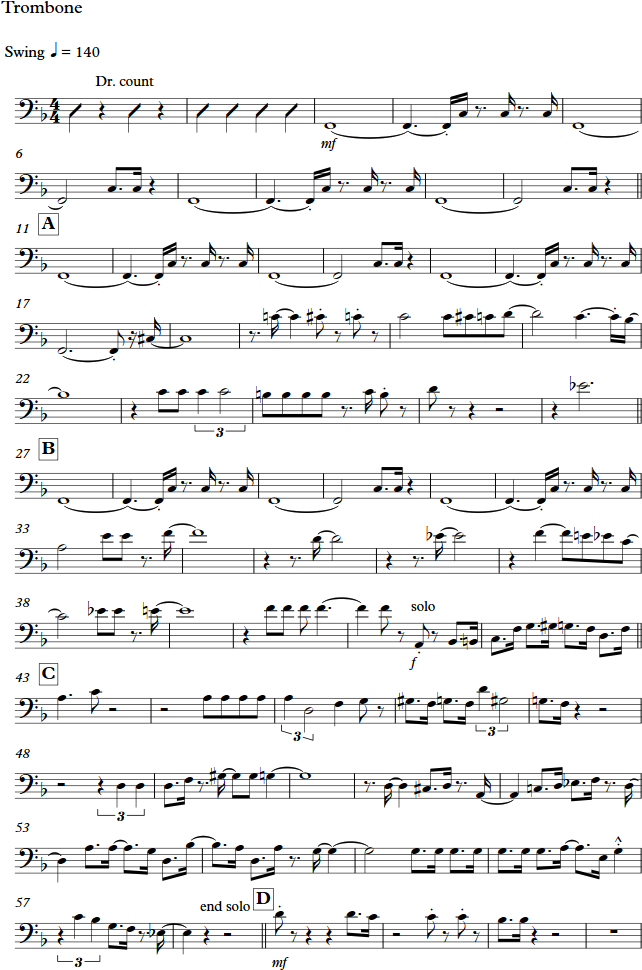
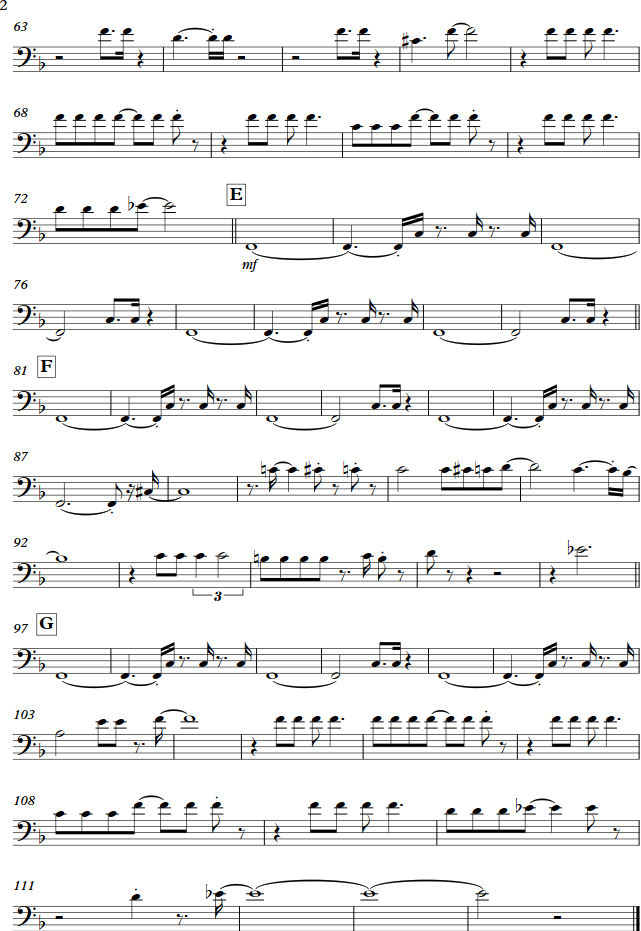
The first soft for writing notes electronically appeared in the last century. One of the most powerful such soft is Finale, which appeared in 1988. Another, no less famous soft, Sibelius in versions for Windows and Macintosh, appeared in 1998-1999. However, they became widely used only after 2010. Before that time, the arranger wrote score by hand on sheets of paper slightly larger than A4. Then, when the photocopier appeared, the arrangers copied the score on the photocopier and transferred them to the orchestras.
In those days, the scores of a circus program, for example, or a production show on a cruise ship, or a symphony orchestra concert, or a show program in Las Vegas sometimes amounted to a hefty folder of paper notes.
The sheets of music were fastened together with glue tape and placed in the required order, according to the order in which the work was played. Thus, the sheets of long works or medleys could be more than a meter long. Some musicians used two music stands for ease of playing.
So, if there weren’t these signs as Segnio, Coda, Serpents, much more paper would have been wasted, the scores would have been much longer, and the folders with the scores would have been much thicker!
Nowadays, paper is almost never used. Scores are produced by the music soft and musicians read it from electronic devices. And even if you don’t have your own tablet, many companies and orchestras provide them to their musicians.
All these signs indicate a return to previous measures of the work, repetition of large pieces. So, if earlier these signs ….. made reading a score more comfortable and convenient, now, in the electronic version of score, they cause inconvenience. That’s why they are not used nowadays. In electronic device it is convenient to read score from beginning to the end without going back.