Lesson 20
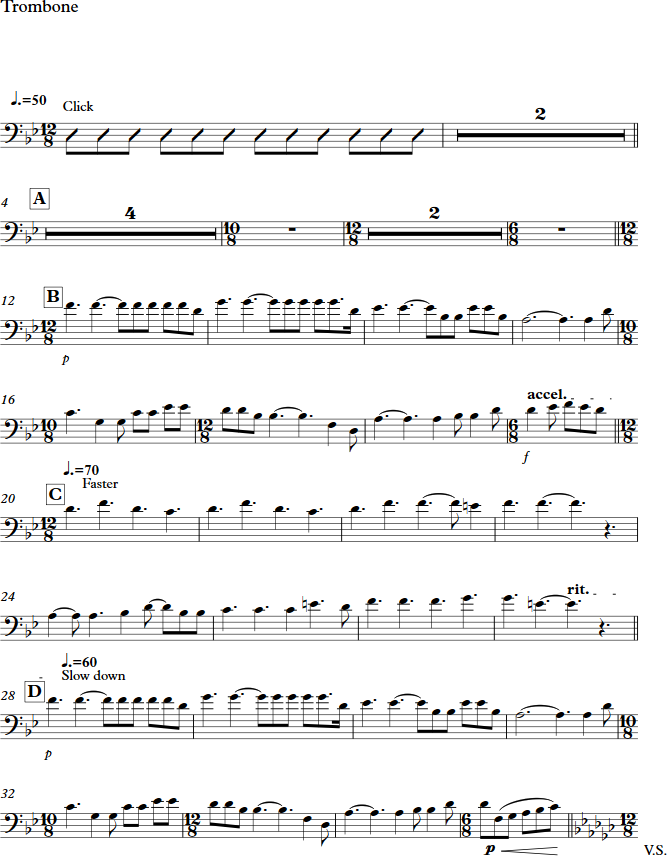
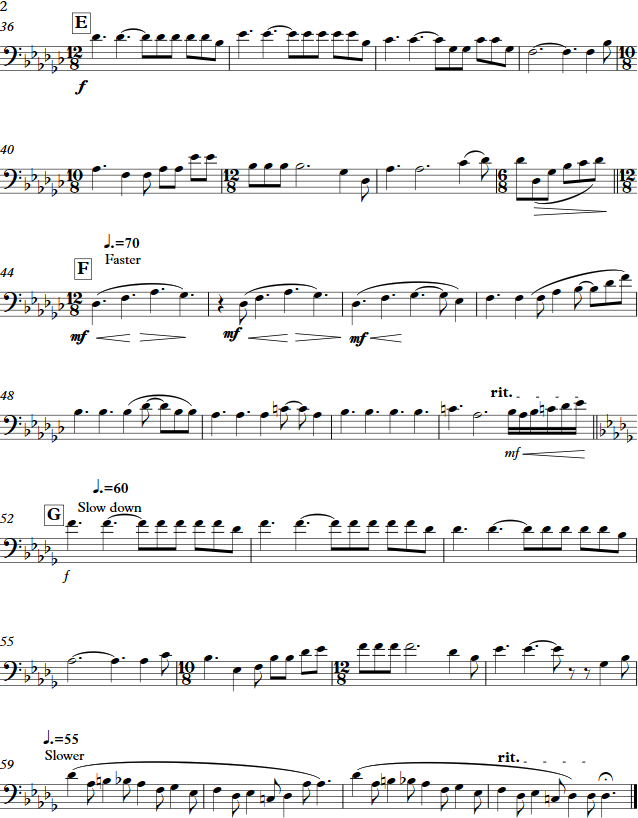
You have to know what to observe before you begin to play. Here are main things to check before starting to sight reading. It should take only about 20-30 seconds to scan the music for these items.
Tempo and style
What is the tempo indication, metronome marking, and style indication? Do any of these change as the piece progresses?
Meter
What meter does the selection begin in? What type of notes gets the beat and how does this beat relate to the tempo indication and metronome marking? Are there any other meters used later in the work? How do these different meters relate to the original one?
Key
What is the key signature and what note is tonic? Is the key major, relative minor, some modal form, or atonal? Does the key remain the same or does it change?
Accidentals
Are there any sharp or flat signs present? Do these indicate a change of key or tonality?
Special items
What other items are present that needs your attention? For instance, check for repeats and find out where they go. Are there any instructive terms used? Does anything else in the music draw your eyes or are there any subtle, hidden items that might trip you up?
Rhythm
What are the basic rhythms used? How do these rhythms relate to the tempo and meter? Can you perform all of these rhythms or should you count some out first? Any awkward subdivision changes, as from four sixteenths to three triplets, should be mentally tried before you begin.
Technique
Where are the busiest technical sections, the blackest parts of the page? Quickly analyze them to make the performance easier and mentally or physically finger through any difficult passages.