Lesson 11
Read ahead!
Another very important skill, which you have to develop – read ahead.
You can’t sight read well without reading ahead. Good sight readers do not read what they are playing at the same time. Normally, they are reading a measure or two ahead of what they are actually playing at any given moment.
It is a great ability to read ahead on any piece on any instrument but it is the skill that takes a time to refine.
How far ahead should you look when sight-reading?
Look as far ahead as you need to stay in time. It largely depends on the number of notes you have to play in one beat.
For example, if you sight-read a piece of music containing long and short note values, say crotchets and quavers, you need to process the quavers in the same amount of time that you process the crotchets, otherwise you’ll end up taking too long on the quavers and distort the rhythm. This means that when you see a group of quavers or semiquavers, you need to process them as a group of notes or “chunk”.
You may only be able to read one or two notes ahead at the beginning and that’s okay. Make it a habit of always looking ahead. As you expose yourself to more and more patterns and as your understanding of music theory deepens, you’ll get better at processing more notes into chunks until you can read several beats ahead.
So how can you learn how to read ahead? Here are the main ways how to do this:
• Play without looking at your hands
• Work on your note-recognition if you still take more than a split second to recognize and locate notes your instrument
• Develop strong aural skills to help you remember what you read so that you can keep looking ahead
• Work on your rhythm so that it becomes intuitive and you no longer have to count
• Learn your music theory to help you recognize intervals and chords faster
• Avoid keeping your eyes on the same note at any one time
Practicing. It sounds simple, but you can learn how to read ahead by practicing a lot
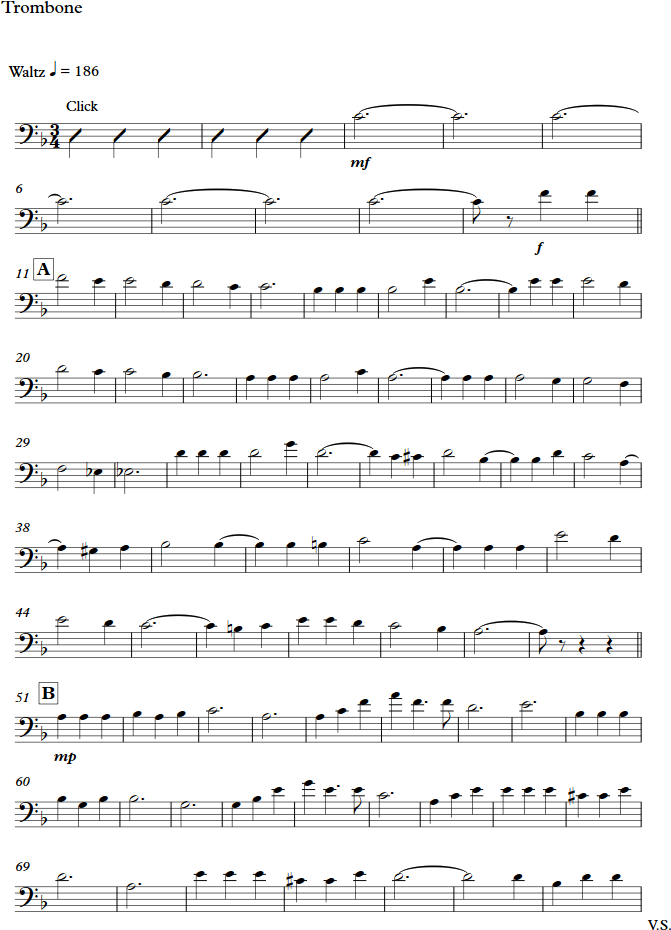
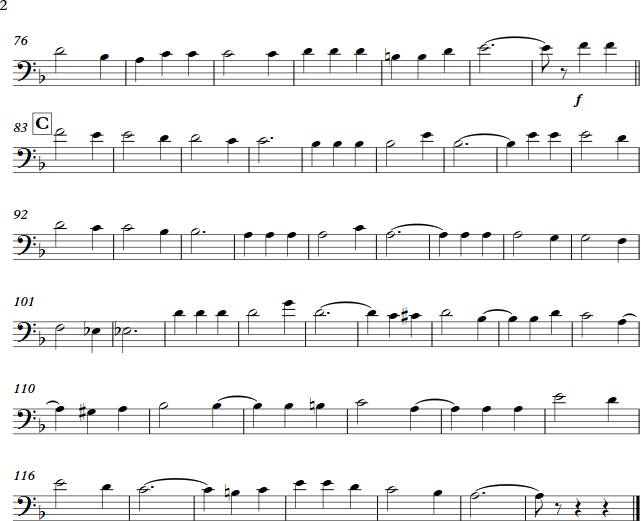
To learn how to read ahed, choose some extremely simple sheet of music. Don’t worry about timing at this point.
Eventually remember the whole bar and play the piece in the right time signature at different speeds.
When you have mastered the above try to memorize a whole bar, while playing this first bar slowly, look at the next bar and try to memorize as many notes as you can. Play the piece slow enough and try to even use a metronome until you can remember the first bar while reading and remembering the next bar. At this point you can play the second bar and read and remember the third bar and so on. At this point speed up the process and increase tempo and complexity of pieces you do this with.
Don’t ever think that you need to go the tempo of the original piece all the time but start at a manageable tempo and then increase it until you have reached the desired tempo.
Good luck in this learning process!